Spokane Valley top Water Purification Systems for Cleaner Healthier Water
Spokane Valley top Water Purification Systems for Cleaner Healthier Water
Blog Article
Pure and Clean: The Value of Water Purification Systems
Access to pure and clean water is a fundamental necessity. Many households neglect the potential contaminants residing in their tap water. Heavy metals, bacteria, and chemicals can impose critical health risks. Water purification systems present a solution by aptly removing these impurities. However, understanding the various options available and their environmental impact is essential. What factors should one reflect on when deciding on the ideal system for their home? The answers may startle you.
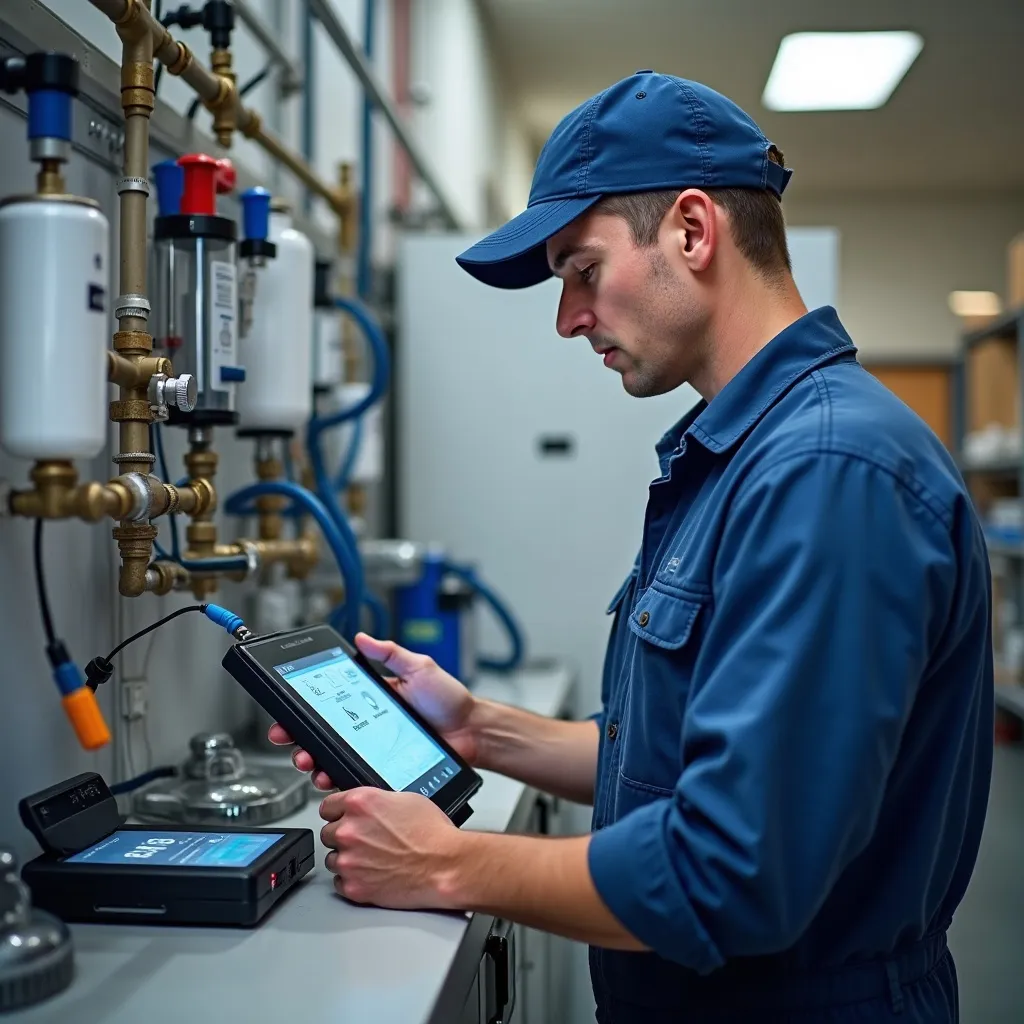
What dangerous pollutants Are nestled in Your Water?
What hidden threats lurk within daily water supplies? Many individuals stay unaware of the potential contaminants that may compromise their health. Typical pollutants include heavy metals such as lead and arsenic, which can leach into water systems from aging infrastructure or industrial runoff. Microbial threats, including bacteria and viruses, often originate from agricultural runoff or inadequate sanitation practices. Additionally, chemical contaminants like pesticides and pharmaceuticals are frequently detected, arising from agricultural activities and improper disposal methods.
Chlorine and chlorine by-products, used for disinfection, can also create hazards, contributing to long-term health issues. Moreover, emerging contaminants such as microplastics have become a growing concern, as they persist in water sources and may be ingested through consumption. Awareness of these hidden dangers is critical, prompting the need for effective water purification systems to safeguard public health and ensure safe drinking water.
The Process Liquid Purification Works
Learning how water purification works requires examining different methods employed to eliminate contaminants. Filtration methods, chemical processes, and UV treatment each play a crucial role in guaranteeing water quality and security. By investigating these techniques, one can appreciate the complexities of efficient water purification systems.
Learn About Filtering Techniques
How do different water treatment methods support effective water purification? Filtration methods are indispensable in removing contaminants from water, confirming its safety for intake. Physical screening implements mechanical filters, such as screens or membranes, to trap particles and sediment. Charcoal filtration systems effectively bind to organic compounds and chlorine, refining taste and odor. Reverse osmosis utilizes a semi-permeable membrane to eliminate dissolved solids, bacteria, and viruses, supplying highly purified water. Additionally, ceramic filters can capture microorganisms, adding another layer of protection. Each method fluctuates in efficiency and application, often combining to enhance overall purification effectiveness. By studying these filtration methods, individuals can determine best options in selecting appropriate water purification systems for their needs.
Cleansing Chemical Techniques
Chemical treatment methods convert contaminated water into safe drinking water through various methods that focus on specific pollutants. These methods often involve the addition of chemical agents, such as chlorine or ozone, to remove harmful microorganisms and pathogens. Coagulation and flocculation analysis are other key processes, where chemicals are added to bind smaller particles into larger aggregates, making easier their removal. Additionally, advanced oxidation processes utilize reactive species to break down organic contaminants. Ion exchange systems can efficiently remove heavy metals and other ionic pollutants by exchanging unwanted ions with less harmful ones. Overall, chemical purification plays an essential role in ensuring water safety, providing an important barrier against various contaminants that may compromise public health.
UV Treatment Advantages
Following chemical purification procedures, UV treatment provides a different approach to maintaining water security. This method employs ultraviolet light to eliminate harmful microorganisms, such as bacteria, viruses, and protozoa. By destroying the DNA of these pathogens, UV treatment effectively prevents their reproduction and renders them innocuous. One of the key benefits of this system is its speed; water is purified instantly as it flows through the UV chamber. Moreover, UV treatment does not incorporate any chemicals or alter the water's taste or odor, rendering it an desirable choice for many households. It requires minimal maintenance and operates efficiently, often in conjunction with other purification methods, enhancing overall water quality and safety without the use of toxic chemicals.
Why Effective Water Purification Matters for Our Ecosystem
Effective water purification is critical for sustaining environmental health, as it significantly affects ecosystems and human communities alike. Contaminated water sources can lead to detrimental effects on wildlife, disrupting food chains and reducing biodiversity. Pollutants such as heavy metals, chemicals, and pathogens can penetrate natural habitats, threatening aquatic life and compromising the integrity of ecosystems.
Moreover, clean water is indispensable for agriculture, as polluted sources can determine crop yields and soil composition. In urban areas, effective purification systems confirm that societies have access to safe drinking water, reducing disease risks associated with water-related illnesses.
Which Water Purification System Works Right for You?
Selecting the right water purification system relies on various factors, including the particular contaminants found and the expected use of the water. For households, common options include activated carbon filters, reverse osmosis systems, and UV purifiers. Activated carbon filters efficiently remove chlorine, sediment, and some volatile organic compounds, which makes them ideal for taste and odor. Conversely, reverse osmosis systems are more comprehensive, eliminating a wider range of contaminants, including heavy metals and salts, which is best for areas with hard water. UV purifiers, while not effective against chemical pollutants, are excellent for eliminating pathogens, making them a good choice for well water users. For industrial or large-scale applications, advanced systems like multi-stage filtration or distillation may be necessary. Ultimately, understanding the precise quality requirements of water and usage scenarios guides the selection of the most suitable purification system.
How to Find the Correct Water Purification System
What is the best way to select the most appropriate water purification system for your requirements? First, an evaluation of water quality is essential. Analyzing for pollutants such as bacteria, heavy metals, and chlorine will inform the selection process. Next, considering the volume of water needed daily is vital; some systems are suited to small households, while others are engineered for larger demands.
One more element to consider is the desired purification method, whether it be reverse osmosis, UV filtration, or activated carbon. Each method has its strengths and limitations, determining overall capability and care needs. Budget also represents a substantial factor; systems fluctuate widely in cost, both initial and in ongoing operational costs.
Ultimately, reviewing warranty protection and customer service options can offer insight into the reliability of a product. By carefully evaluating these elements, a sound decision can be reached, ensuring clean and safe water availability.
Maintenance Suggestions for Your Water Purification System
Proper servicing is important for ensuring the output of water purification systems. Regular filter replacement and routine cleaning are important roles in keeping water quality and increasing the service life of the equipment. Observing these practices helps reduce issues that could damage the system's performance.
Routine Filter Replacement
Regular filter replacement is an crucial aspect of upkeeping an efficient water purification system. Filters are key in removing contaminants and ensuring the water is safe to drink. Over time, filters gather contaminants, which can lead to reduced effectiveness and even affect water quality. It is generally recommended to replace filters based on the manufacturer’s instructions, often every six months to a year, based on how much they are used and water quality. Neglecting this upkeep can cause decreased flow rates and potential bacterial growth. Regularly checking the filter status and adhering to a replacement schedule not only improves the system’s performance but also protects the health of those relying on purified water.
Standard System Servicing
Maintaining a filtration system extends beyond filter changes; regular system cleaning is equally vital for top performance. Over time, foreign particles can collect in the system, affecting water quality and flow rates. Consistently wiping down external surfaces and cleaning internal components helps prevent accumulated debris and guarantees effective function. It is recommended to follow the manufacturer’s guidelines for recommended cleaning protocols and frequency. Additionally, checking for leaks and keeping proper connections can ward off potential issues. Scheduling regular maintenance not only prolongs the lifespan of the system but also improves water purity. Ultimately, a properly cleaned purification system ensures continual access to safe, clean water for all users.
Benefits of Installing a Home Water Purification System
Investing in a residential water filtration solution can substantially boost the grade of consumable water, especially in areas where municipal supplies may possess contaminants. These systems effectively filter out impurities such as chlorine, heavy metals, and harmful bacteria, providing safer and healthier water for consumption.
Home water filtration units often lead to enhanced flavor and smell, making drinking water more attractive for families. They can also support the durability of household appliances by avoiding mineral buildup, which can cause damage over time.
Moreover, adopting such a system can be cost-effective in the long run, lowering the need for bottled water and minimizing plastic waste.
In addition, obtaining purified water promotes improved fluid intake, which is vital for overall health. In closing, a home water filtration system not only upgrades water quality but also offers economic, environmental, and health advantages, rendering it a worthwhile investment for any residence.
Common Inquiries Asked
When Should I Replace My Water Purification System Components Regularly?
Filters within a water purification system are usually changed every two quarters to one year, based on usage and water quality. Routine maintenance guarantees peak performance and safe drinking water for households.
Do Water Purification Systems Eradicate Every Type of Bacteria?
Water filtration devices can efficiently eliminate many varieties of pathogens, but not all. The efficiency is reliant on the system's technology, filter performance, and care procedures, highlighting the importance of determining the correct filtration method for particular pollutants.
Do Water Filtering Systems Consume a Lot of Water?
Water purification systems can waste a notable amount of water, notably reverse osmosis systems. The waste fluctuates by model, but on average, they may dispose of three to four gallons for every gallon of filtered water produced.
What Wellness Threats Exist With Unfiltered Tap Water?
Untreated water from your faucet could create wellness concerns, including exposure harmful contaminants like lead, bacteria, and pesticides. At-risk communities, such as children and the elderly, encounter greater vulnerability from these dangerous pollutants in potable water.
What Does a Quality Water Filtration Unit Cost?
A high-quality water purification system typically ranges between $200 and $2,000, depending on the type and features. Installation and maintenance may add to the overall cost, influencing the total expenditure for homeowners.
Report this page